To be continued…
“Wow, you really developed so many resources,” he said.
“Well, we still have a full work package left,” I replied.
This conversation took place between the Waste2Worth lead partner and a stakeholder who was getting in touch with the project for the first time. Only later did I fully understand the meaning behind that “wow.”
After 30 months, Waste2Worth has come to an end, and only now do I truly appreciate what that implied. A project that has generated such a volume of high-quality activities and outputs can hardly deserve anything less than a genuine wow.
If only we had known that from the beginning.
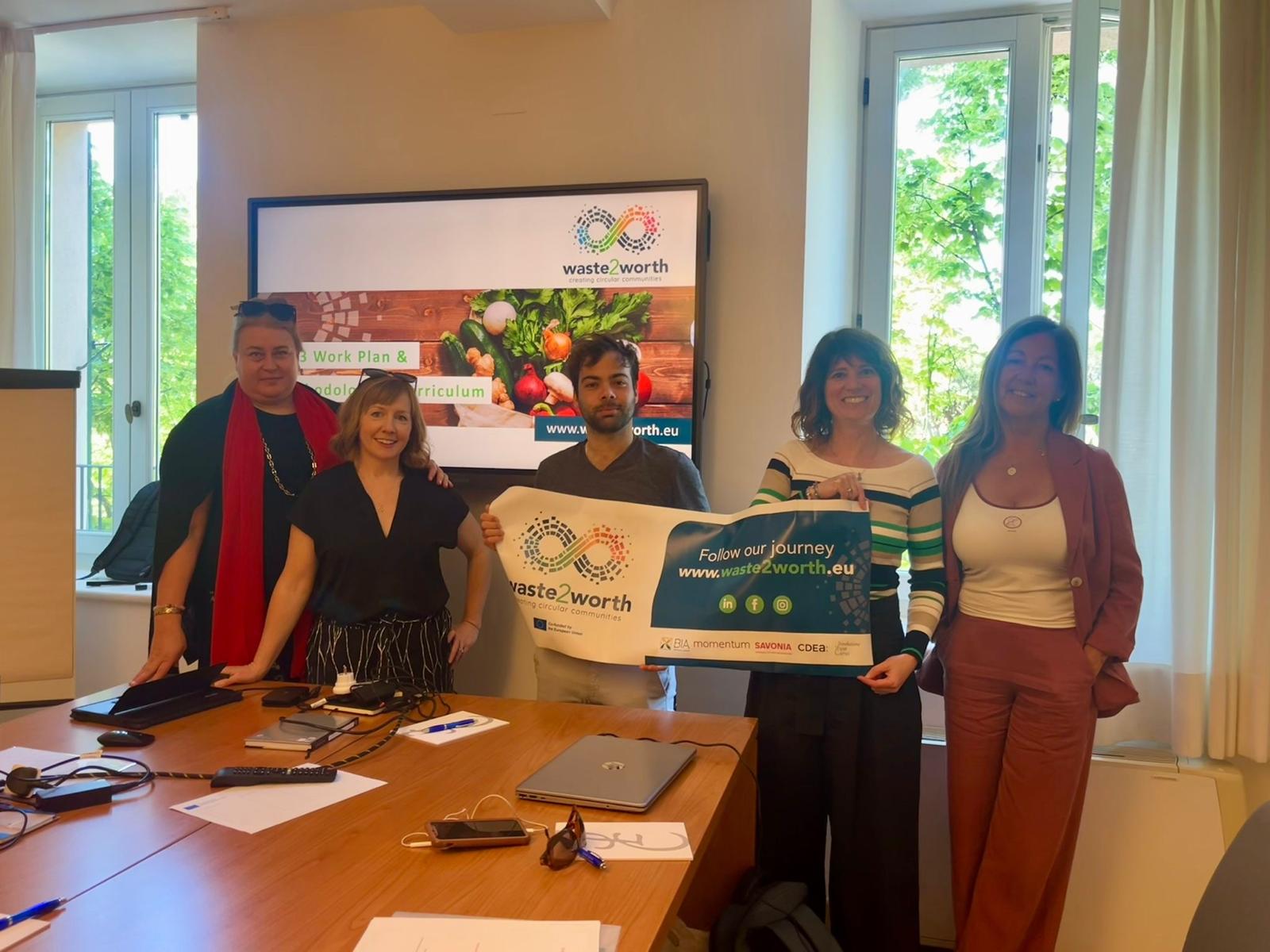
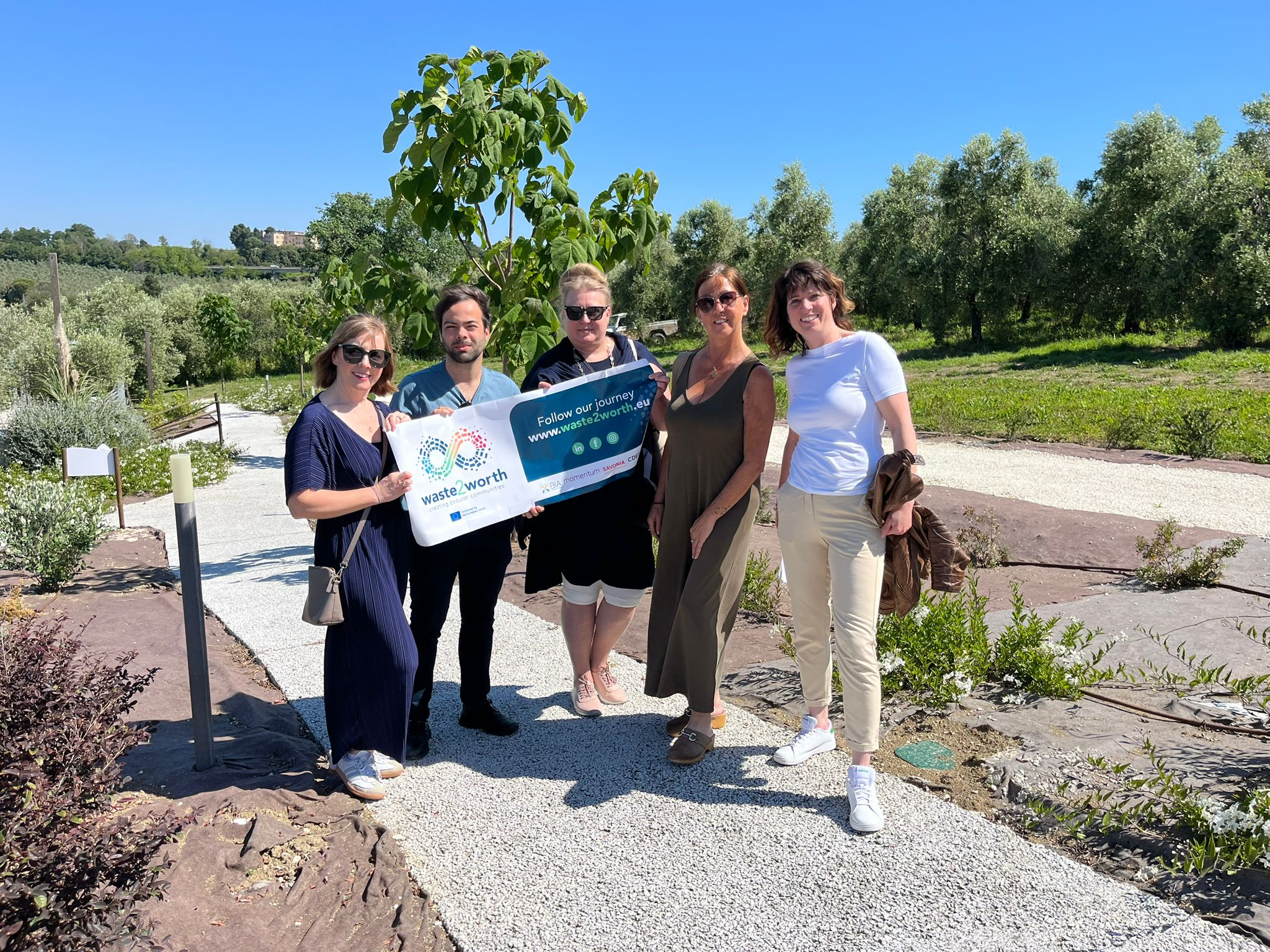
When five organisations from Ireland, Spain, Finland, and Italy first came together to start conversations about food waste, one thing was immediately clear: we were not coming from the same place. We operated within different food cultures, educational systems, and regional realities. Yet one belief united us: the conviction that food waste can be addressed by connecting communities and local knowledge.
We trusted that each region had something valuable to offer, and something to learn from the others. This shared mindset shaped our first major collective result: the Good Practice Compendium, where each partner identified and documented real food businesses that had successfully turned waste into value. We demonstrated therefore the importance of connecting real-life European examples around a common goal.
After that first result, we simply couldn’t stop.
Five regional Waste Stream Maps followed, along with a full suite of 12 learning modules developed as Open Educational Resources, supported by an Educator Guide, a Learner Workbook, and a Design Thinking Facilitator Toolkit. This included a handbook for facilitating food-waste workshops, more than 20 activity templates, and a recruitment methodology. All these materials are freely available to anyone interested in learning, teaching, or exploring innovative ways to repurpose food waste.
Yet none of this would have been possible without the people we engaged with over the past 30 months, since the project’s concept inception.
Food businesses, hospitality professionals, trainers, educational organisations, students, community groups. Working with them was the project’s real impact. Through mini-launch events, peer reviews, result validation sessions, primary consultations, and regional workshops, we were able to listen, test, and learn. These activities allowed us to understand real learning challenges and local opportunities, pushing us beyond our own expertise and enriching everything we developed within Waste2Worth.
After more than two years, we feel both happy and proud.
Happy to have met each other and worked together.
Proud to have made a meaningful impact on our target groups.
Now it’s time for you, reader, to continue the Waste2Worth legacy. You may ask yourself how can I better use local opportunities to reduce food waste?
Well, you are invited to explore our resources and who knows… you might just find the inspiration to turn waste into worth in your own context.
Pablo Moreno,
BIA Innovator Campus,
Galway, Ireland